

Viet Nam is taking decisive measures to promote the formalization of the electronic competition industry as a key driver of the national cultural and sports economy. On 14 May 2026, the General Directorate of Sports of Viet Nam and the Viet Nam Multimedia Mobile Company signed a memorandum of cooperation to construct a structured electronic contest ecosystem, enhance the quality and scale of the event and bring the industry into line with international standards.
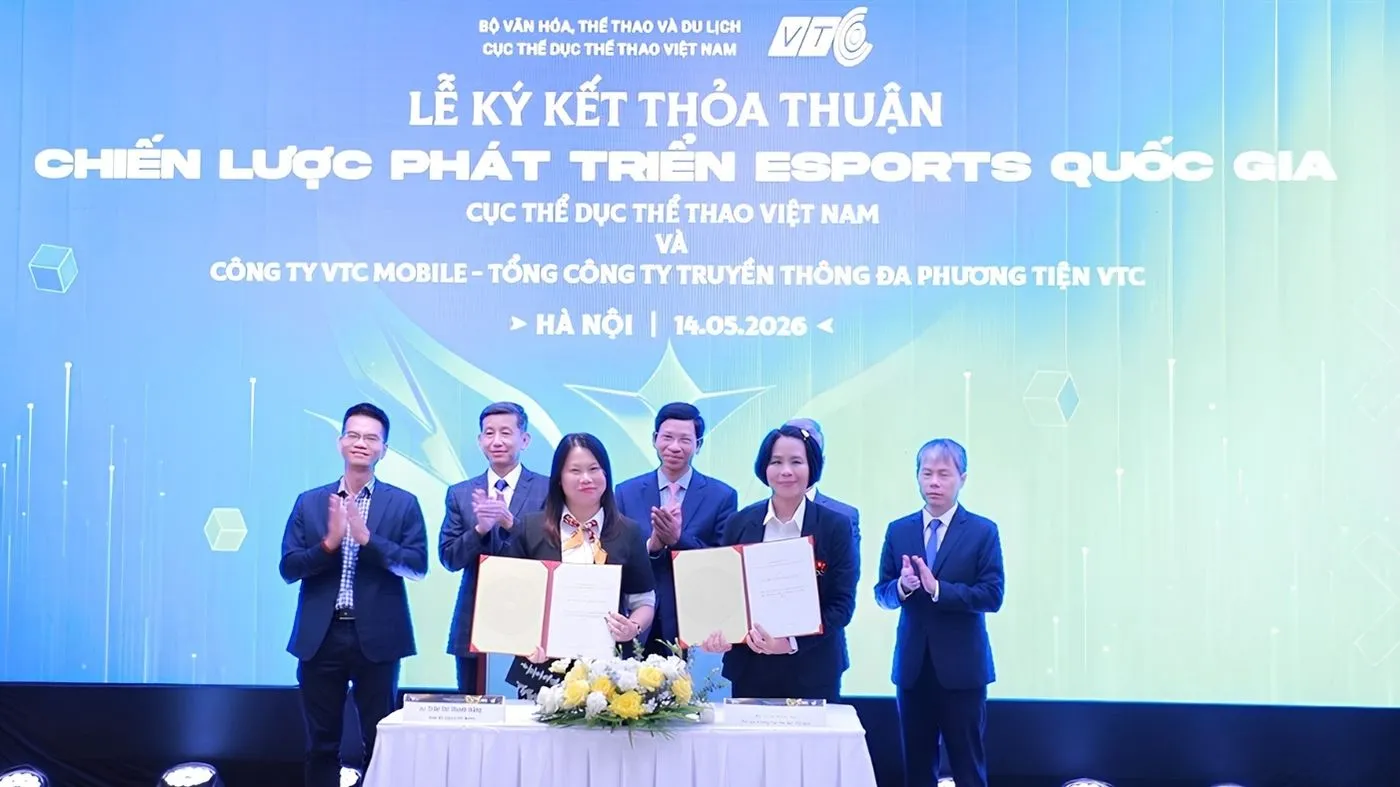
The memorandum is a long-term road map (2026-2030) based on cooperation between government agencies and industry stakeholders. This new memorandum is highly compatible with Viet Nam ‘ s target of a $1 billion game industry by 2030. This new strategic cooperation will focus on three main areas:
1. Development of electronic competitions and activities with greater cultural and recreational value.
2. To promote sport-related economic activities in a digital environment.
3. Build a more regulated e-competitive ecosystem, including upgrading current professional standards, media and international integration.
The key point of the initiative was the announcement of the “Global Electronics Competition 2026”, which was the first time that Viet Nam’s General Directorate of Sport, Viet Nam Television Council (VTC) and Viet Nam Electronics and Recreation Association (VIRESA) had jointly led such a large-scale project, marking closer cooperation between public and private sector stakeholders.

The series will include a number of small-scale events, such as the Viet Nam Electric Contest National Cup, which aims to develop grass-roots talent, and the electric tournament, which is expected to attract the top Asian markets, such as Korea, China and Japan, to the same competitive platform. At the same time, a wider festival and national awards ceremony will focus on culture, career development and professional recognition. Viet Nam ‘ s young, mobile priority population structure and fast-growing play communities provide a solid basis for achieving this goal.
In recent years, Viet Nam has become an emerging force in the field of electricity competition in South-East Asia, with an increasing number of participants in regional competitions and a growing size of local electric competition organizations. Today, the goal of the Government is to further accelerate this momentum by encouraging investment and promoting deep integration with the global grid.
Viet Nam ‘ s plan also reflected the overall trend in Asian markets, and Governments had begun to view electricity competition as a legitimate economic and cultural industry. Viet Nam has the advantage of adopting a top-down structured-driven approach that integrates electronic competition with national development objectives.
If properly implemented, Viet Nam ‘ s position in South-East Asian markets would be significantly enhanced, particularly in the context of increasing competition with markets such as Indonesia, Malaysia and Thailand. The real challenge, however, lies at the implementation level, in particular on how to build sustainable sources of profit and to avoid over-reliance on distributor-led ecosystems.

For industry stakeholders, this is a market of concern. A more organized and policy-supported e-competitive environment may offer new opportunities in the areas of distribution, media and competition operations in the coming years.