
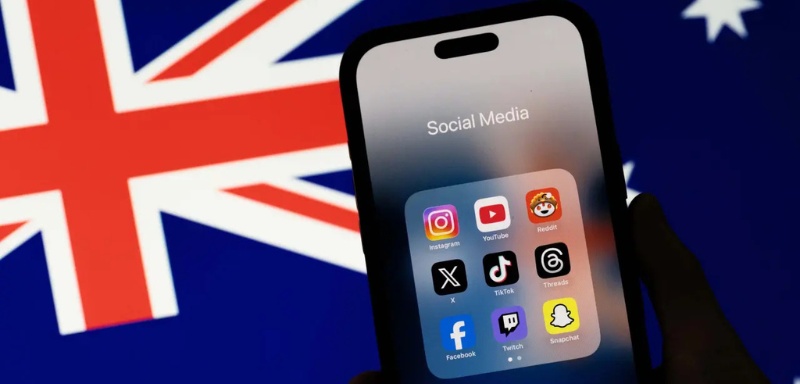
Australia ‘ s juvenile social media ban, which was formally introduced in December last year, requires mainstream global social platforms, including Instagram and Facebook, to ban registration of Australian users under 16 years of age. Within days of the ban, Meta blocked some 550,000 accounts.
Meta disclosed data showing 330639 instagram, 173497 in Facebook and 39916 in Threads. In its statement, Meta called for “the Australian Government to work constructively with industry to explore better paths — for example, to stimulate industry-wide standards, to provide security, to protect privacy and age-appropriate online experience, rather than a one-size-fits-all ban”. Meta again suggested that age certification should be implemented at the application store level, that it would reduce the regulatory body and apply its own compliance burden, and suggested that a parental exemption mechanism be put in place. “This is the only way to ensure that young people receive uniform industrial protection, regardless of the application they use, and to avoid falling into a `geetroot-type’ regulatory dilemma, and that young people may turn to new applications to circumvent prohibitions.”
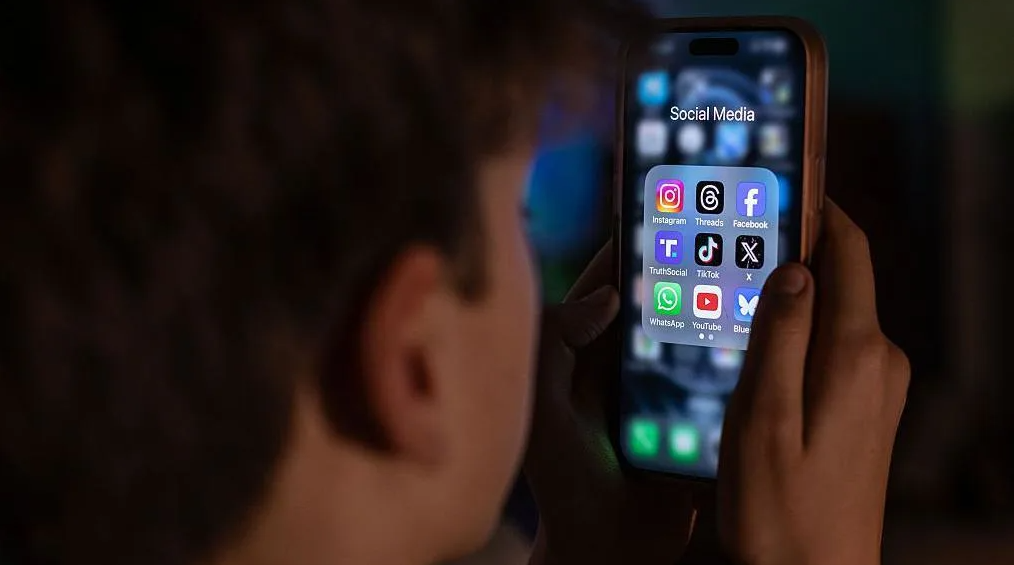
From Florida, United States, to the European Union, multiple Governments are exploring restrictions on the use of social media by minors. Australia became the first global jurisdiction to grant parental leave without parental approval in a similar policy and to set the age threshold at 16, making it the world ‘ s most stringent social media regulatory system. The policy is widely supported by parents, and the British Conservative Party has recently pledged to follow suit if it wins the general elections by 2029. Experts noted, however, that Australian youth could still use technical means to bypass age certification or to find alternative, potentially more risky, platforms on the Internet. Many adolescent and mental health advocates argue that the ban may cut off important social links between LGBTQ+ groups, neuro-diverse groups and adolescents in rural areas and reduce their ability to cope with the reality of the network. Under the ban, social platforms face a fine of up to $50 million if they do not take “reasonable measures” to limit the holding of accounts by users under 16 years of age. The ban covers platforms such as Facebook, Instagram, Snapchat, TikTok, X, YouTube, Reddit, Twitch, Threads and Kick, with wide-ranging exemptions for platforms whose primary functions are games, health and education.
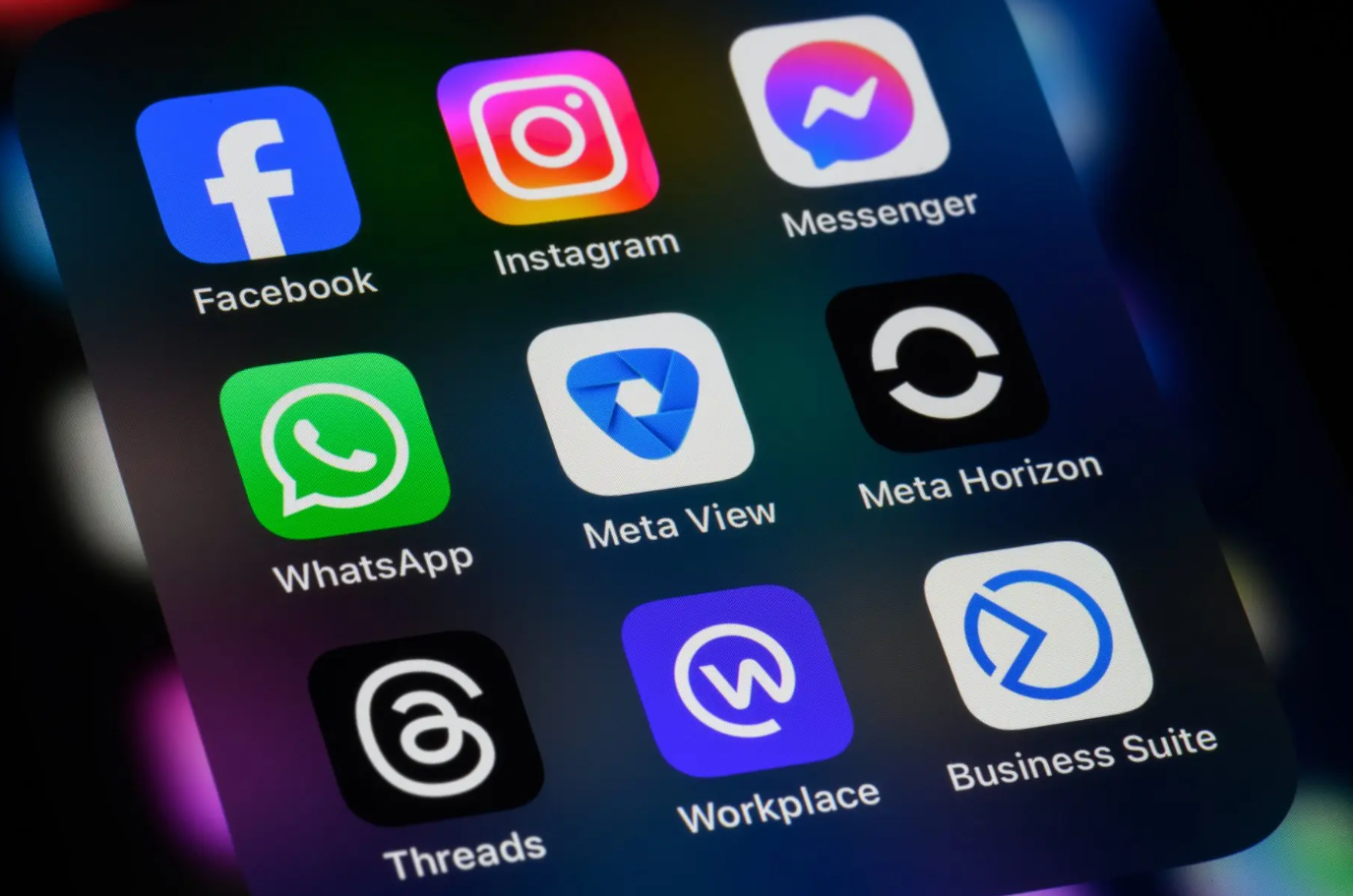
The Commissioner for Electronic Security, responsible for law enforcement, warned that other social platforms that met the prohibition criteria could also be included in regulation. The platform may perform age verification in a variety of ways, including government-issued identity documents, facial age assessments or age extrapolations. Government spokespersons stressed: “The Government is holding social media companies accountable for the harm they have done to Australian youth. Platforms such as Meta collect large amounts of user data for commercial purposes, which they must use to comply with Australian law to ensure that users under 16 are not on their platforms.” The Public Broadcasting Corporation of Australia reported that Australia had certified that specific data were expected to be published this week, showing how many underage users had been kicked out of social platforms affected by the ban.